Why DTF Prints Look So Good — and Last Wash After Wash
July 25, 2026 · 4 min read
Ask anyone who has switched to DTF (direct-to-film) printing what won them over, and you tend to hear the same two things: the prints look fantastic, and they hold up. That combination is exactly why DTF has become the go-to method for shirts, hoodies, hats, and just about anything you can press. Here's what's actually behind it.
Full color, zero compromise
DTF prints your artwork in full color — gradients, photographs, tiny detail, the works — with no per-color fees and no simplifying your design to fit a process. A ten-color logo prints just as easily as a one-color one. Because a layer of white ink goes down first, your colors stay bright and true even on black and dark garments, which is where a lot of other methods struggle.
The result is a print that looks crisp and vivid straight off the press — the kind of quality that makes a small brand look established. If you're weighing your options, our DTF vs. screen printing and DTF vs. sublimation breakdowns show exactly where DTF pulls ahead.
A soft feel, not a heavy patch
Modern DTF lays down a thin, flexible layer that moves with the fabric. It's not the stiff, rubbery feel people remember from older transfers — it flexes and stretches with the garment, so a printed tee still feels like a tee.
Built to survive the laundry
This is the part that keeps customers coming back. A properly pressed DTF transfer routinely lasts 50+ washes without meaningful cracking or fading. The color stays saturated and the edges stay put, wash after wash.
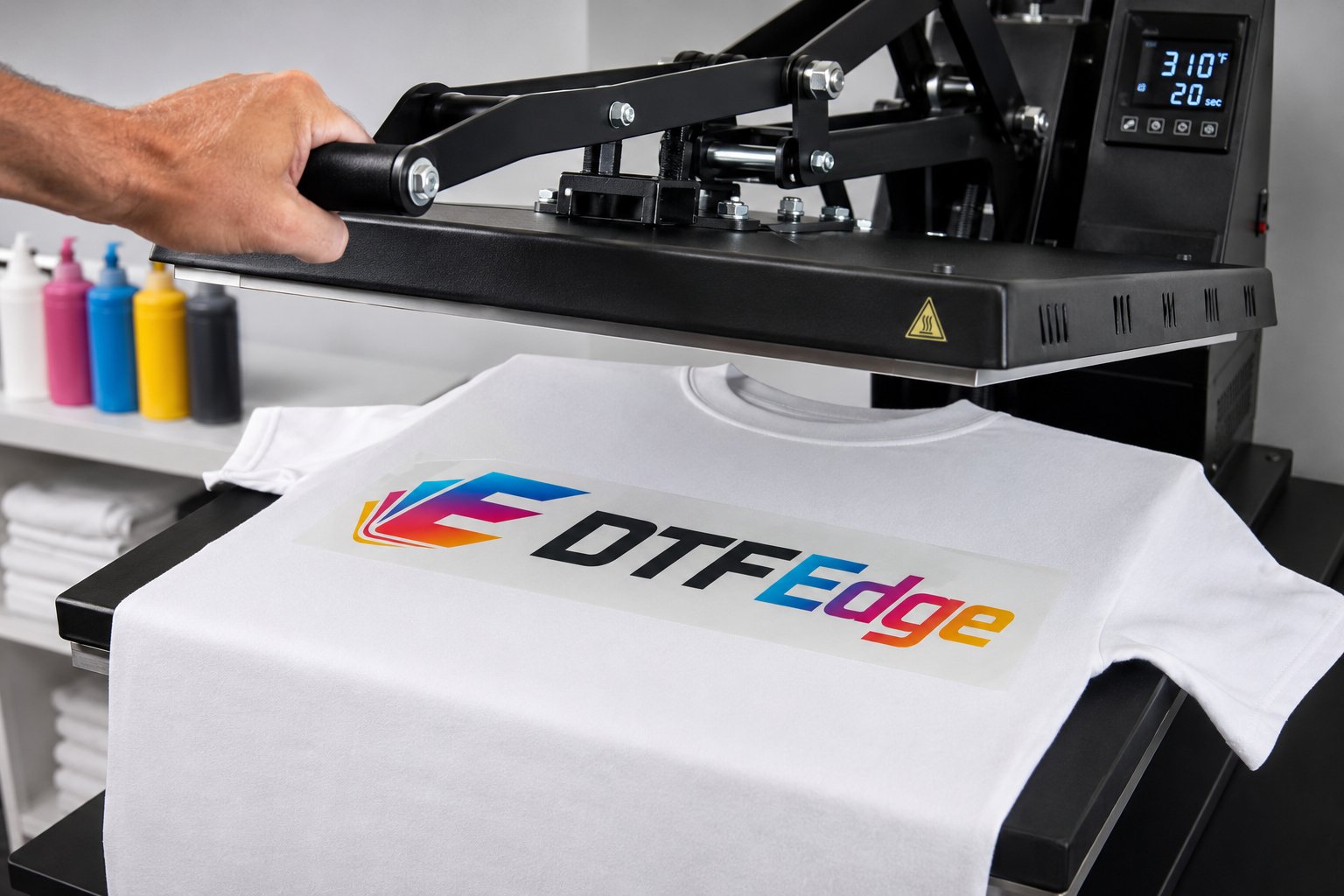
Getting that longevity is mostly about the press, and it's not complicated:
- Press firm, hot, and long enough — even pressure across the whole design, no cold corners.
- Re-press after peeling for a few seconds with parchment or a Teflon sheet. That second press is what locks it in for the wash.
- Wash it kind — inside-out, cold, no fabric softener, and hang dry or tumble low. High dryer heat is the real enemy, not the wash itself.
Our full step-by-step pressing guide walks through the settings, and the file-prep guide covers getting your artwork print-ready so it looks its best.
Works on almost anything you'll press
Cotton, blends, polyester, light shirts, dark shirts — DTF handles them all, which means one method covers most of what a shop or brand actually prints. Fewer processes to learn, more consistency across your line.
Vibrant, soft, and durable is a hard trio to beat — and it's the everyday reality of a well-made DTF print. Upload your art and see how good your design looks on a gang sheet.
Ready to see your design on a gang sheet?
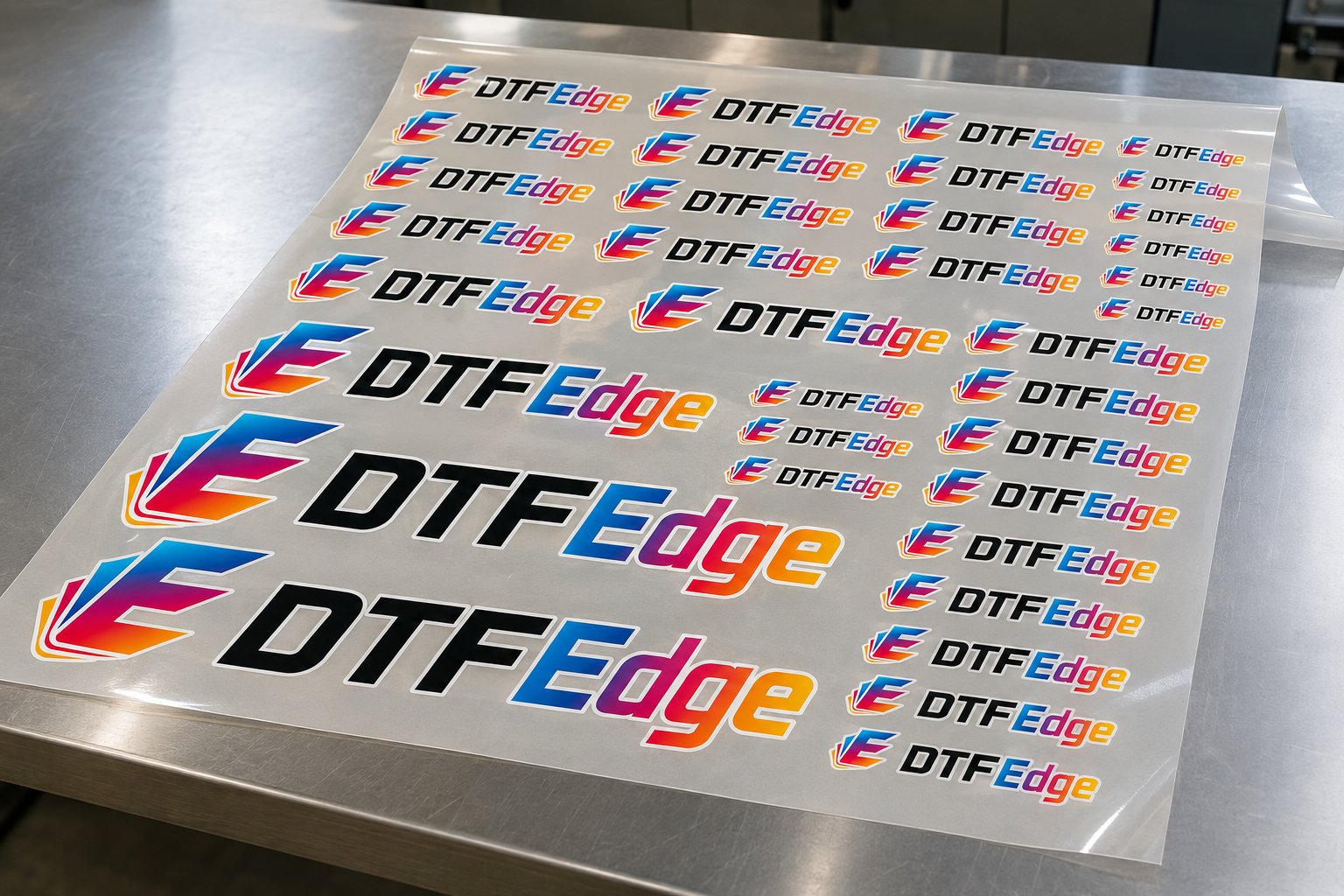
Upload your art, arrange it, and we print and ship fast — no minimums.
Start Building Your Sheet